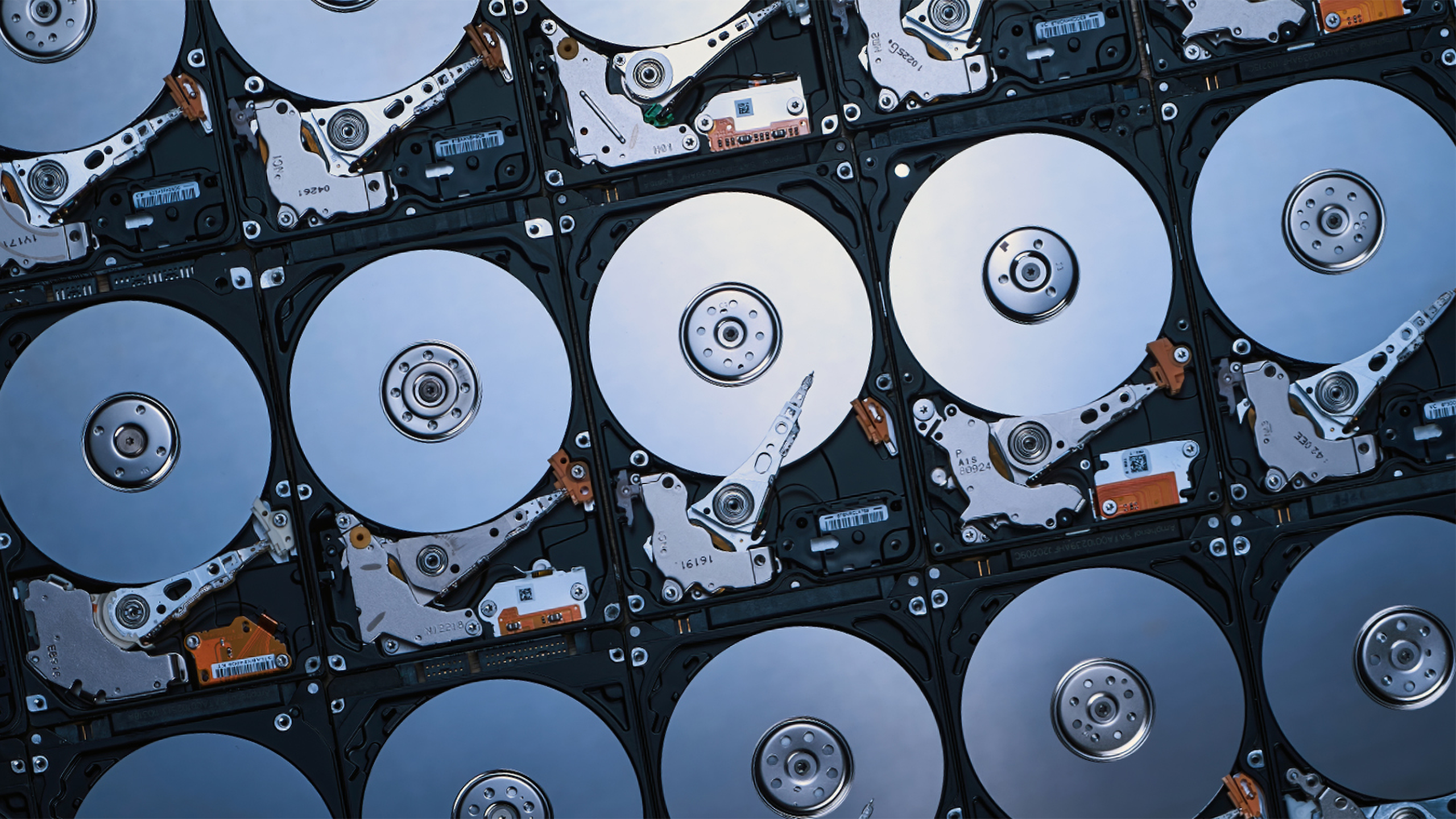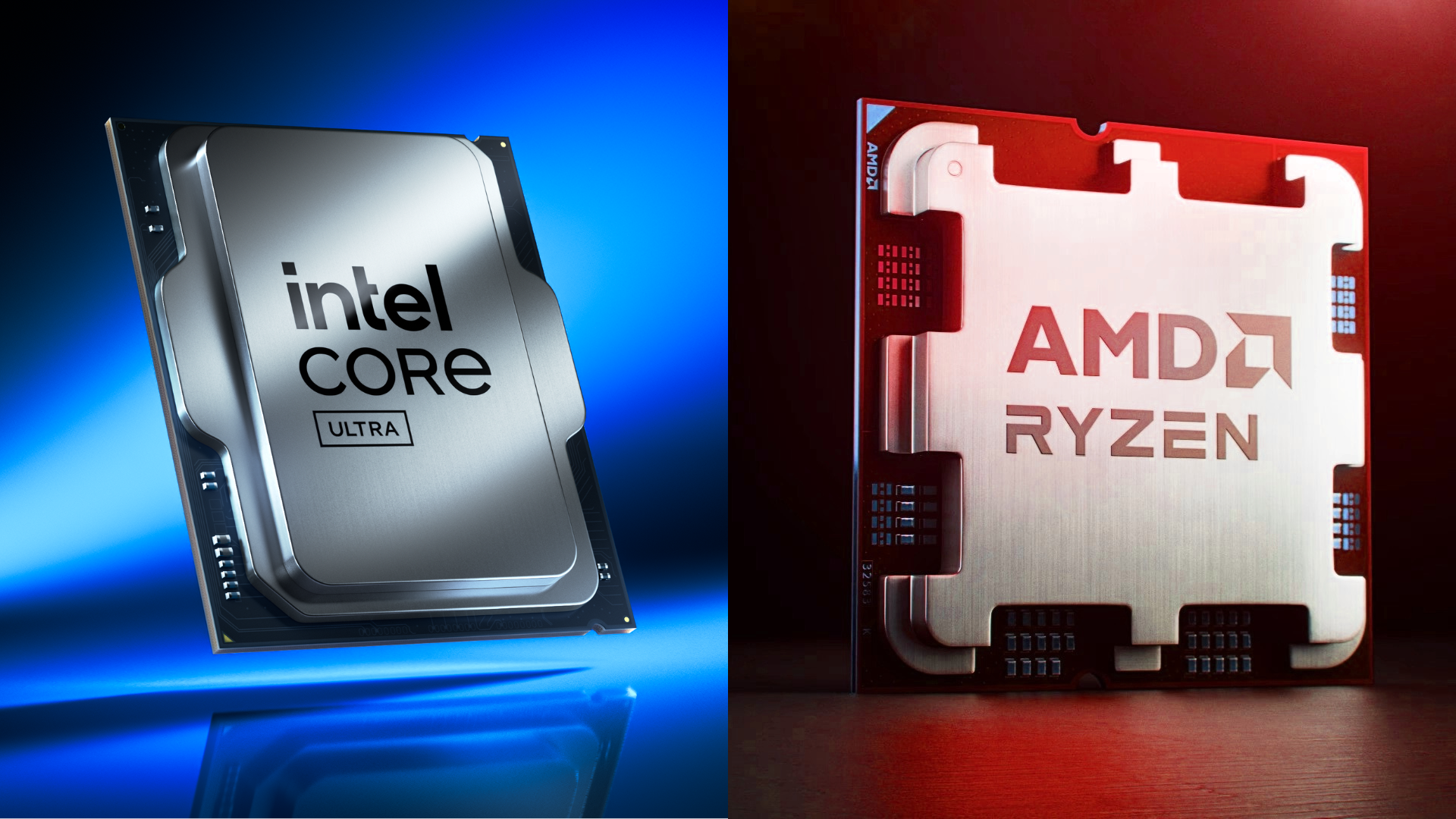
Think RAM price surges are bad? Analysts say AI will cause SSDs' NAND components to shoot up in price permanently - with no ceiling in sight

Eric

Mama's lil stinker
Joined
Aug 10, 2020
Posts
15,283
Solutions
18
Main Camera
Sony
But think of all the cool graphic intensive videos and memes that nobody asked for that you can make!
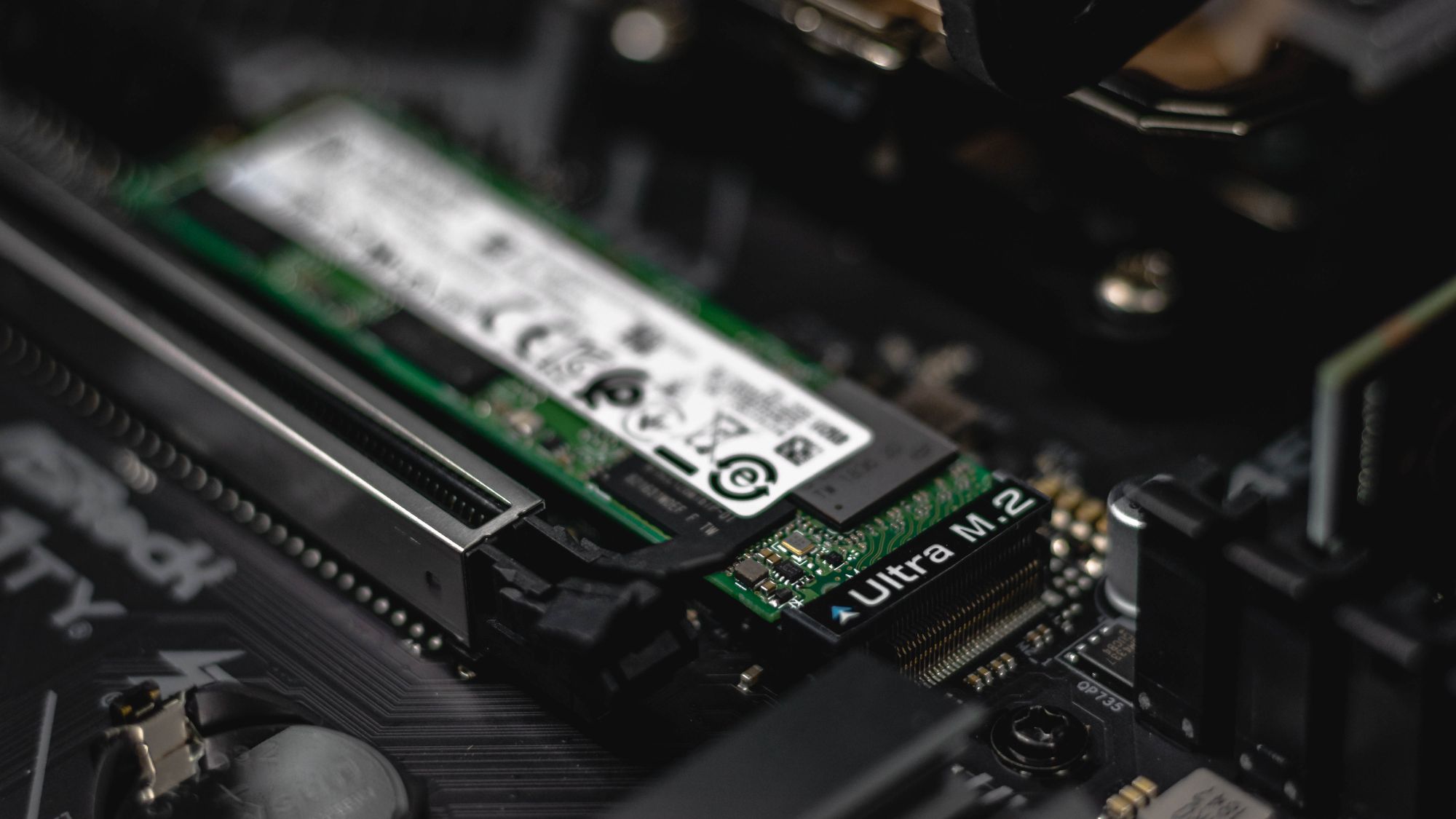
  • NAND flash pricing is shifting away from short-term cycles toward structural pressure
  • TrendForce data shows inventory movements no longer dictate SSD component costs
  • Suppliers are limiting bit output growth through cautious capacity expansion strategies
 
I think we may be nearing an inflection point. In a couple years, MRAM is likely to replace both DRAM and SSDs, in one package. We will no longer see 16GB/512GB specs but just one number encompassing both regimes. SOT-MRAM is at least as fast as DRAM for computation, and there would be no drive speed specs, because data is already right there ready to be mapped in. It has the advantage of zero idle power draw ("sleep" requires an ongoing DRAM refresh cycle – sleep and off would become the same thing), so battery life would probably double.

As I say, it is probably a couple years out, but it will call for some significant system redesign for optimal effectiveness. TSMC is involved to some extent here, so I believe it really is on the horizon.
 
I think we may be nearing an inflection point. In a couple years, MRAM is likely to replace both DRAM and SSDs, in one package. We will no longer see 16GB/512GB specs but just one number encompassing both regimes. SOT-MRAM is at least as fast as DRAM for computation, and there would be no drive speed specs, because data is already right there ready to be mapped in. It has the advantage of zero idle power draw ("sleep" requires an ongoing DRAM refresh cycle – sleep and off would become the same thing), so battery life would probably double.

As I say, it is probably a couple years out, but it will call for some significant system redesign for optimal effectiveness. TSMC is involved to some extent here, so I believe it really is on the horizon.
Even if that's the case, if the AI bubble hasn't burst by that point, then they'll just be buying all that up too ... and they'll probably still be buying all the NAND and DRAM just out of spite.
 
I think we may be nearing an inflection point. In a couple years, MRAM is likely to replace both DRAM and SSDs, in one package. We will no longer see 16GB/512GB specs but just one number encompassing both regimes. SOT-MRAM is at least as fast as DRAM for computation, and there would be no drive speed specs, because data is already right there ready to be mapped in. It has the advantage of zero idle power draw ("sleep" requires an ongoing DRAM refresh cycle – sleep and off would become the same thing), so battery life would probably double.

As I say, it is probably a couple years out, but it will call for some significant system redesign for optimal effectiveness. TSMC is involved to some extent here, so I believe it really is on the horizon.
Yeah this seems like the logical next step. There will be a time when we tell the kids we remember the day when RAM and HDD were two separate things, where it will surely be met with derision and we'll be called grandpa, just like when we describe rotary phones now.
 
1771179842501.png
 
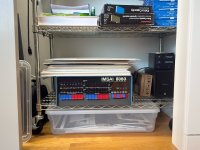
Hey, I am old enough to remember when your Imsai came with 4K and you had to spend $600 to upgrade with a 16K S100 board.

I still have mine. With a 16K memory board and a video display card I designed/made. Heh... I still remember a few 8080 op codes. :)
 

Attachments

  • Imsai.jpeg
    Imsai.jpeg
    227.2 KB · Views: 5
Back
Top