
- Joined
- Sep 26, 2021
- Posts
- 8,253
- Main Camera
- Sony
In his honor, they will move to a brand new 47nm process! Gold-plated!
Short-circuits are a fake woke concept

In his honor, they will move to a brand new 47nm process! Gold-plated!

But when you have a hard time getting all the current to go where you want, you get leakage. I think he can tell them everything there is to know about leakage.Short-circuits are a fake woke concept
"I know more about semi manufactoring than anyone else"Best way for Intel to catch up with TSMC is undoubtedly to put Trump and his knowledge of semiconductor fabrication and semiconductor material science in charge.
Make 14nm Great Again
 arstechnica.com
Intel details everything that could go wrong with US taking a 10% stake
Intel warns investors to brace for losses and uncertainties.
… in which it is revealed that the real reason Trump wants the stake in Intel is because the gov’t would then have inside information that he can trade stocks on in order to personally profit….

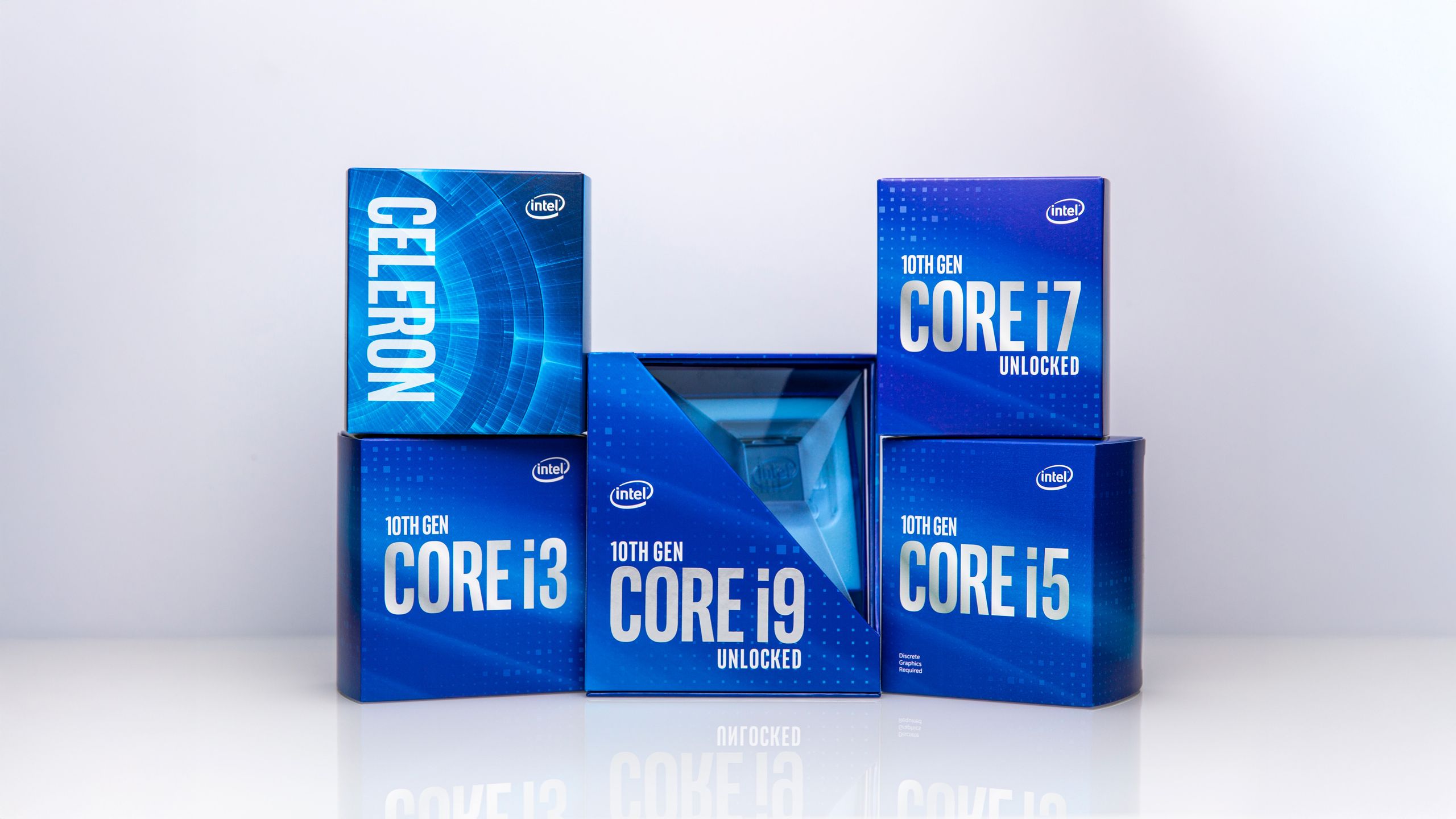
The Core i5-110 is a desktop processor, meaning it is compatible with an LGA1200 socket and either an Intel 400-series or 500-series motherboard. However, Intel has introduced two new sockets since LGA1200, so it's a mystery just how many consumers still have a LGA1200 motherboard that can accommodate the Core i5-110.
Despite the Core i5-110 being a blatant rebrand, Intel is still charging the same price for the chip as it was when it launched five years ago. The RCP (Recommended Customer Price) for the Core i5-110 is $200, which falls within the same range as the Core i5-10400's $200 to $210. It's an insane price considering that 14nm+++ chips should be dirt cheap to produce by now.
At $200, the Core i5-110 is supposed to be a value processor, but it's hard to see the value in it.
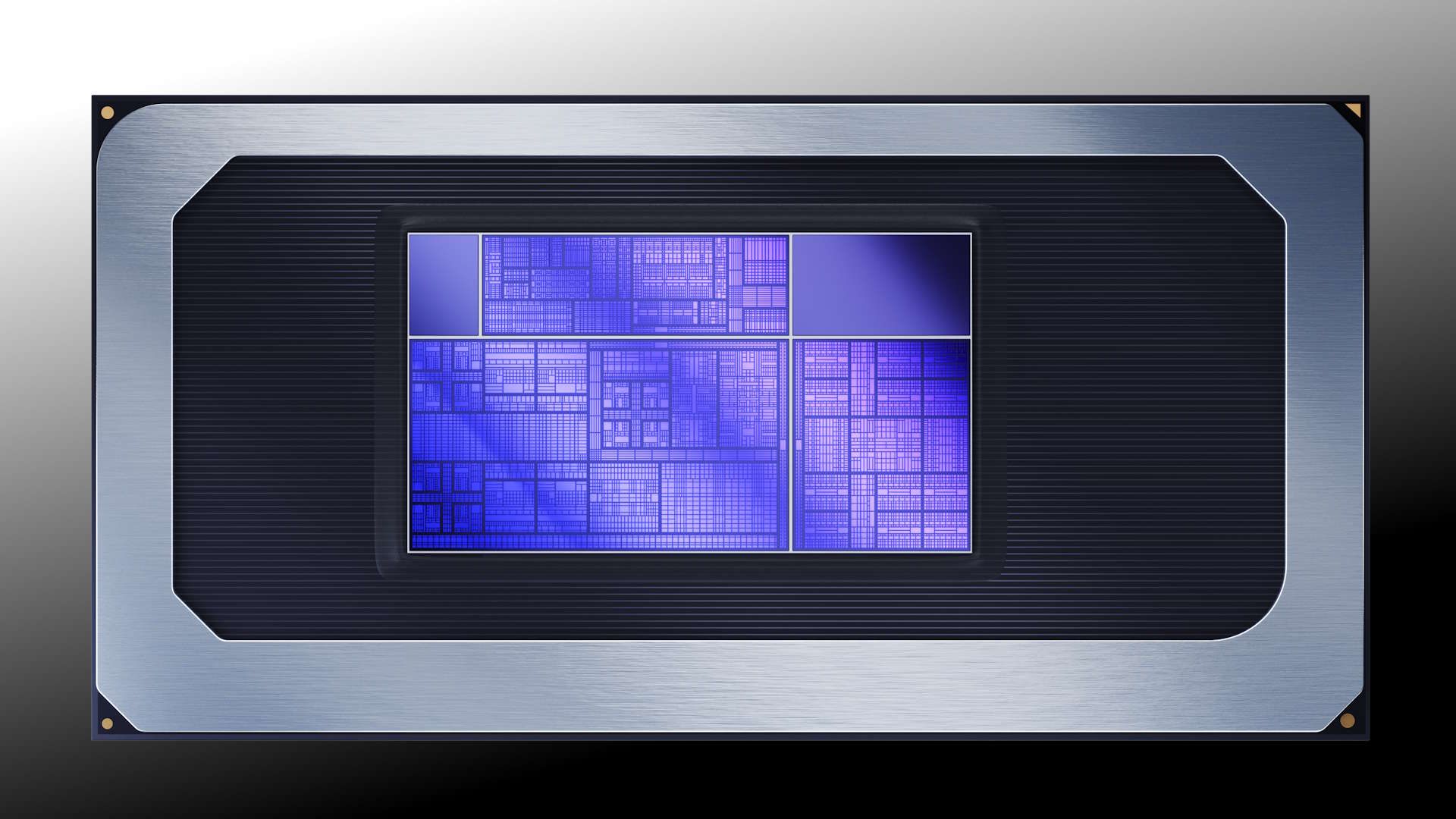
Intel offered a high-level preview of single-threaded performance with Cougar Cove, suggesting that the new P-core can deliver 10% higher performance at similar power to Lunar and Arrow Lake, or 40% lower power at similar performance in less demanding workloads.
The multi-threaded performance story for Panther Lake is a bit muddier. Intel claims that Panther Lake can deliver 50% more performance at similar power to Lunar Lake, or 30% lower power for multi-threaded performance similar to Arrow Lake-H.
Of course, if we consider these charts in their entirety, Panther Lake can also deliver higher absolute performance at similar power to Arrow Lake-H, emphasizing the greater performance scalability of what we assume to be the 4P+8E+4LPE package.


 videocardz.com

 www.theverge.com
Tan revealed today that Intel will also release new AI GPUs each and every year, following Nvidia and AMDin shaking up their traditional cadence to address the huge demand for AI servers. It’s not clear what that might mean for those hoping for more Intel gaming GPUs.
the company reiterated it’s only launching one SKU of Panther Lake this year and slowly rolling out others in 2026. Here’s another possible reason why: Zinsner hinted today that Panther Lake will be a “pretty expensive” product to start with, and Intel’s going to have to push its existing Lunar Lake chips instead “in at least the first half of the year.”
While Intel has repeatedly pushed back against the idea that its 18A process had poor yields, the company admitted to investors and analysts today that it’s not ready to be a huge financial success either: yields are “adequate to address the supply but not where we need them to be to drive the appropriate level of margins,” says Zinsner, suggesting that it might be 2026, or even 2027 for an “acceptable level of yields” in that regard.
They should avoid naming any process “14”Intel’s tick-tock isn’t coming back, and everything else I just learned
I listened to Intel’s earnings call.
But don’t worry they say later that 14A is working out great!

 www.macrumors.com
would make much more sense to use TSMC’s arizona plant. It’s not easy to redesign the physical blocks to accommodate two different sets of design rules. Hopefully Intel has at least stopped using mils in its design rulesApple and Intel Rumored to Partner on Mac Chips Again in a New Way
While all Macs are now powered by Apple's custom-designed chips, a new rumor claims that Apple may rekindle its partnership with Intel, albeit in a new and limited way. Apple supply chain analyst Ming-Chi Kuo today said Intel is expected to begin shipping Apple's lowest-end M-series chip as...
Kuo now saying Apple might fabricate future base Mx chips with Intel in order to appease Trump (oh and diversify their manufacturing).

I suppose that’s where diversification comes in but yeahwould make much more sense to use TSMC’s arizona plant.
It’s not easy to redesign the physical blocks to accommodate two different sets of design rules. Hopefully Intel has at least stopped using mils in its design rules
having done something like this (two different processes, albeit our own fabs), what ends up happening, probably, is you create your own “least common denominator” design rules that work with both fabs. But you inevitable give something up in doing this. For example, fab A might say minimum polygon area is 1nm^2 and minimum M0 spacing is 0,5nm, and fab B might say minimum polygon area is 1.2nm^2 and minimum M0 spacing is 0.3nm. So you end up with 1.2nm^2 and 0.5nm. Worst of both worlds.I suppose that’s where diversification comes in but yeah
Supposedly Intel now uses “industry standard tools” in order to attract customers but, agreed, I can’t imagine designing the same generation processor under two very different fab’s rules would be easy even so. I believe Apple did that exactly once when switching between Samsung and TSMC.
Also known as demonstrating obeisance to the KingPIN...to appease Trump


This site uses cookies to help personalise content, tailor your experience and to keep you logged in if you register.
By continuing to use this site, you are consenting to our use of cookies.


