The Fall of Intel

I had no idea GloFo was from the United States. I always assumed it was Asian.
It’s the spin-off of AMD’s and IBM’s fabs, essentially. They spun off our fabs soon after I left AMD.

Funny to consider that, at that time, the #1 and #2 fabs were Intel and probably AMD. IBM was working with us in those days, and we were designing things in such a way that we could use their fab if necessary.
 

Seems a bit loosey-goosey to me: “The real deal”. And pretty sure Patrick Moorhead is what they might call in journalism circles “a very friendly voice” for Intel, but who knows? High-NA EUV + other tech, maybe they’ll be competitive.
 

Intel still on the (now smaller) hook after all for its actions against AMD 20 years ago. The case drags on …
They really were dicks. We internalized it - we knew we had to be twice as good at half the price just to get in the door.


Not generally a fan of libertarian think tanks - but I have to admit CATO is one of the few that didn’t go pro-Trump, is in fact virulently anti-Trump, and it’s hard to disagree with the overall thrust of this piece that state capitalism tends to combine the worst aspects of capitalism and socialism together.

As far as Intel goes, they're apparently still having fab yield issues and the government intervention + Nvidia deal which spurred a stock price rally is dissipating. This CATO author is basically calling Intel a Zombie corp or insinuating that they are close to one.
 
Last edited:

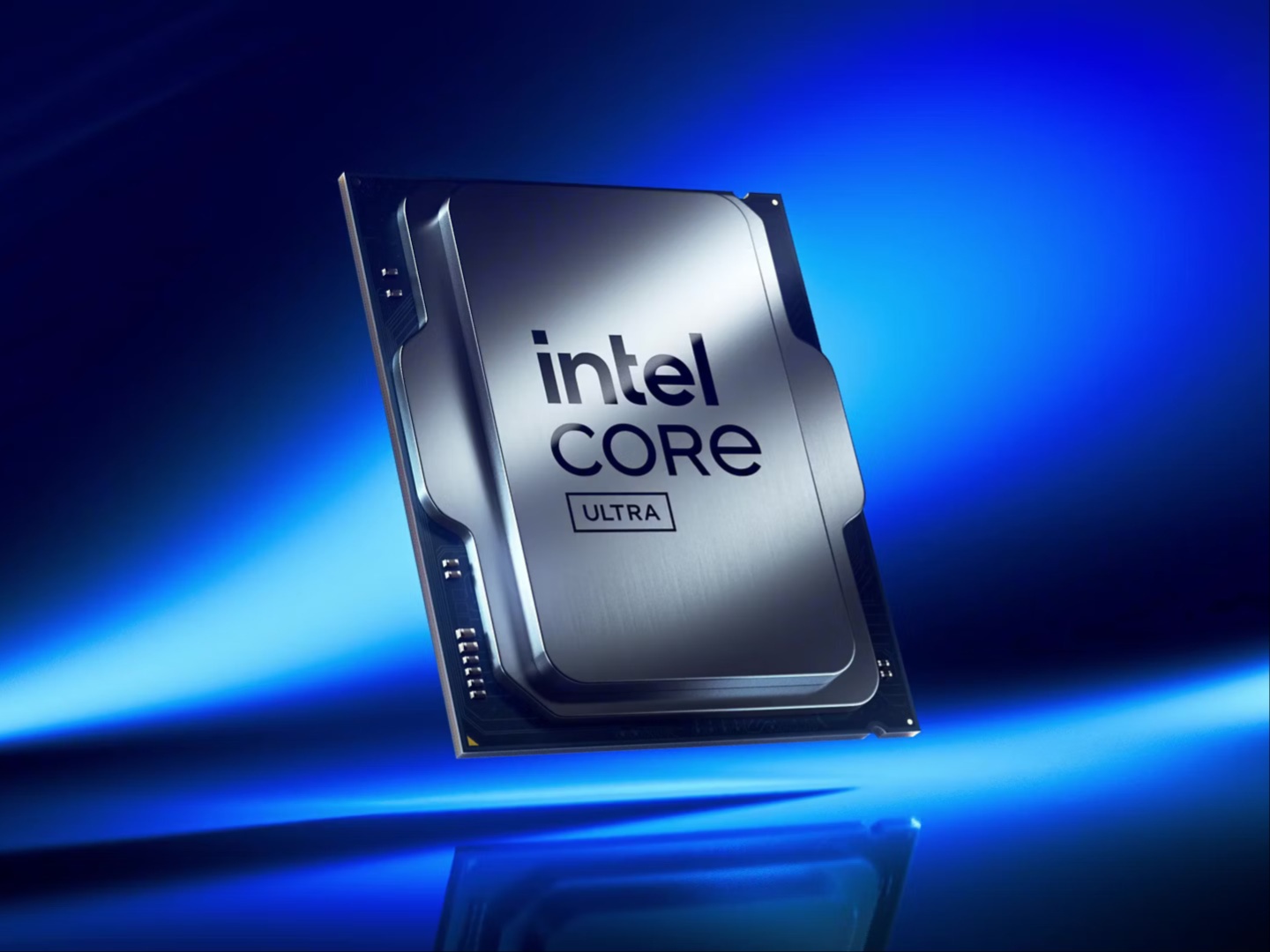
I’m a little confused by this rumored lineup … who exactly is the 52-core count consumer i9 chip for and why? I suppose the prosumer market Apple likes to play in but at 52 cores that seems solidly a workstation chip, no? I’m all for consumer chips eating away the professional market and bringing new capabilities to the masses, but, at the risk of making a similar declaration as “640K ought to be enough for anybody”*, how many consumers would benefit from that right now or even in the near future (without also needing all the other things PC workstation chips typically come with)? What are their workloads? Again I suppose Apple’s Ultra CPUs are sort of in this space but only because their performance per core is so much higher - their core count is still relatively small, 32. Admittedly the P-core count is higher, 24 Apple vs 16 Intel, but again that has more to do with the different core design philosophies. How does Intel afford that many cores on silicon even if most of the are E-cores and still sell the chip at a reasonable price for consumers?

I suppose it’s what AMD did to Intel with the original Ryzens and Threadrippers (i.e. cost effective HEDT that overlapped with the workstation/server market), but AMD benefited from a sclerotic Intel that hadn’t updated consumer core counts in forever and enough software was straining against those limits. I’m not sure the same applies here but maybe I’m wrong?


*Bill Gates supposed utterance of this is likely a myth

Supposedly the upcoming high end Nova lake CPU with 52 cores can draw 700W! - when power is unconstrained. Combined with the core counts, this really feels more like an HEDT chip competing with Threadripper than a consumer chip.

Edit: a little more detail from Tom’s:

 
Last edited:

Supposedly the upcoming high end Nova lake CPU with 52 cores can draw 700W! - when power is unconstrained. Combined with the core counts, this really feels more like an HEDT chip competing with Threadripper than a consumer chip.

Agreed. This was the conclusion I also came to when I got bogged down in the discussion around thread count and utilization a good while back.

This smells more like a Threadripper competitor, and those who need it know who they are. I certainly don't do enough to spend the premium on a Threadripper when I could put that money towards a beefier GPU if I was doing neural networks or Blender.
 

Similar threads

Back
Top